Photoshop is gonna die
Published · Blog
So something interesting happened a few months ago. I found out about an AI model called Dall E on a subreddit (discovered it via r/weirddalle which was definitely the much more important finding). They were all using this tool called Craiyon Dall E Mini on a website called Hugging Face (terrible name, I know).
Leading up to it I was very heavily skeptical. I mean we all know GPT 2 exists but I’ve always looked at is kind of like a toy. Generate some text and half of it is just meandering garbage.
But when the Dall E Mini project launched? Honestly? I’d never seen something like that before. Generating images out of text prompting is frankly, insane. You could combine two completely different concepts with Dall E on a website called Craiyon and get a weird, but somewhat consistent image. Finally, I could visualise my dream products, like baby’s first torture rack toy and rgb gamer flip flops.
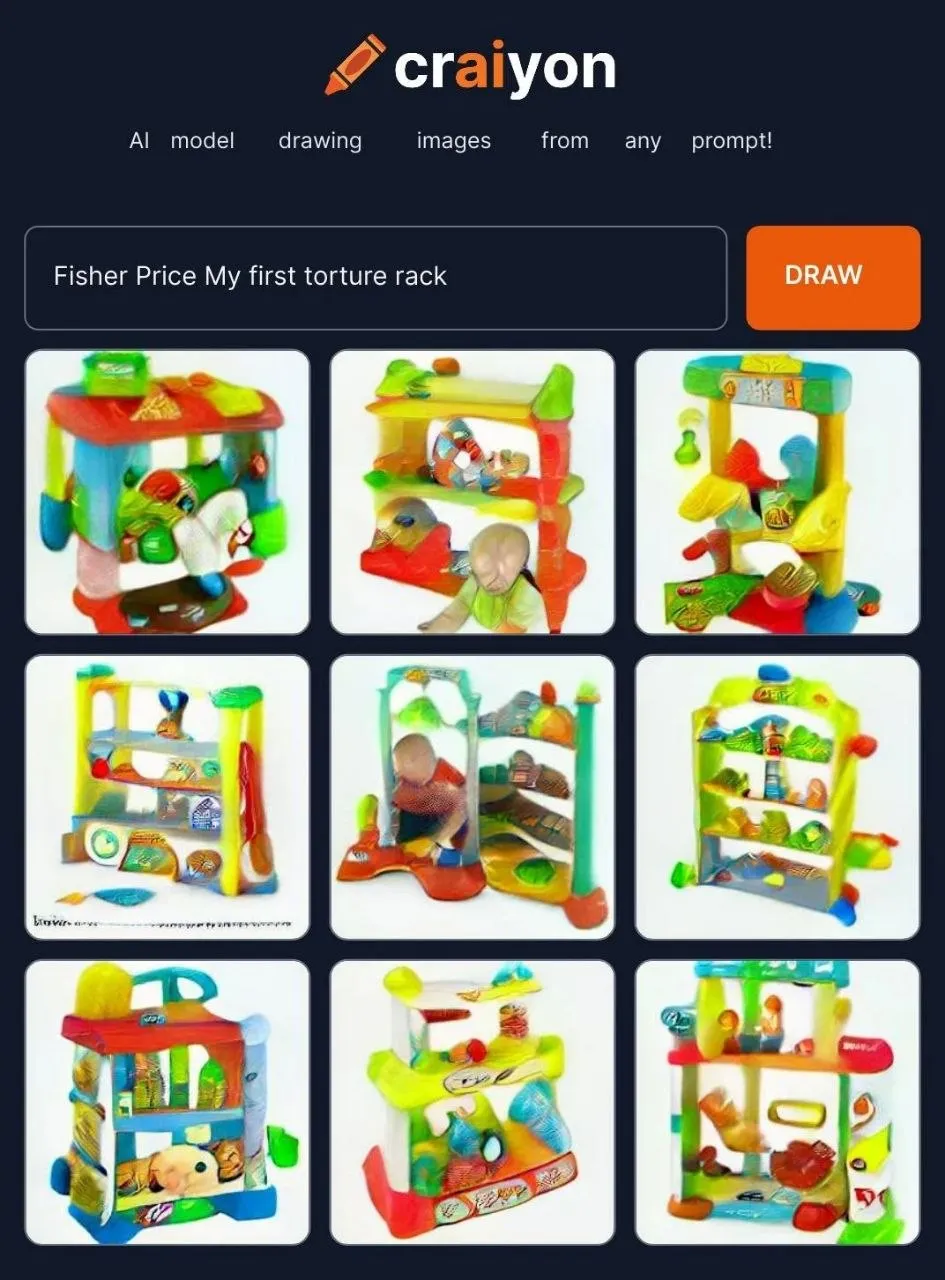
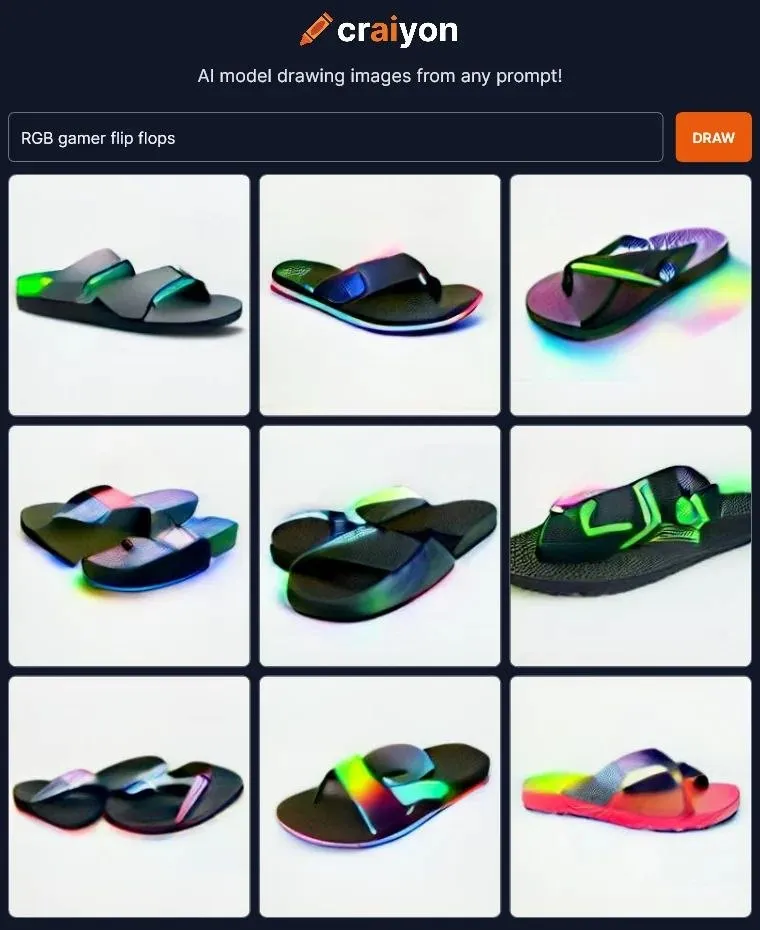
A couple months later, OpenAI took that project and blessed us mortals with Dall E 2. They had an early access thing, which I signed up for and got in to. And the images it generates are definitely better. Much, MUCH better. To the point where, if you don’t look too closely, you could mistake them for real photos (if your prompt was properly worded for that ofcourse). The only issue was that I couldn’t get enough of it. You could only generate a few images a day (and they’ve recently cut it down all the way to two runs apparently).
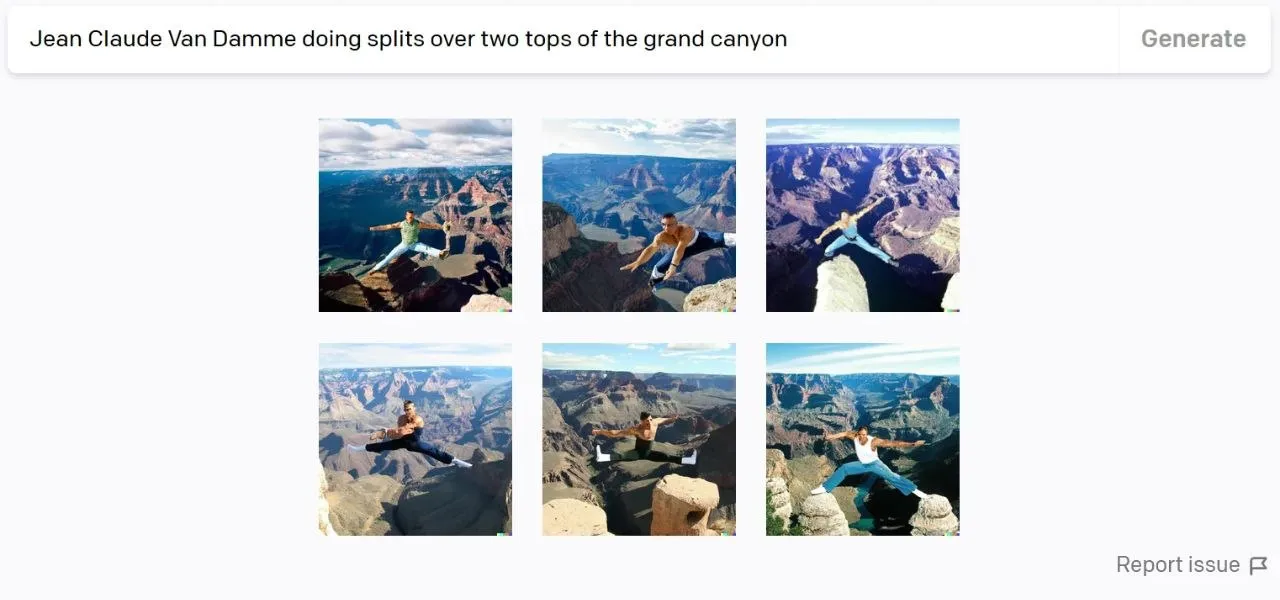
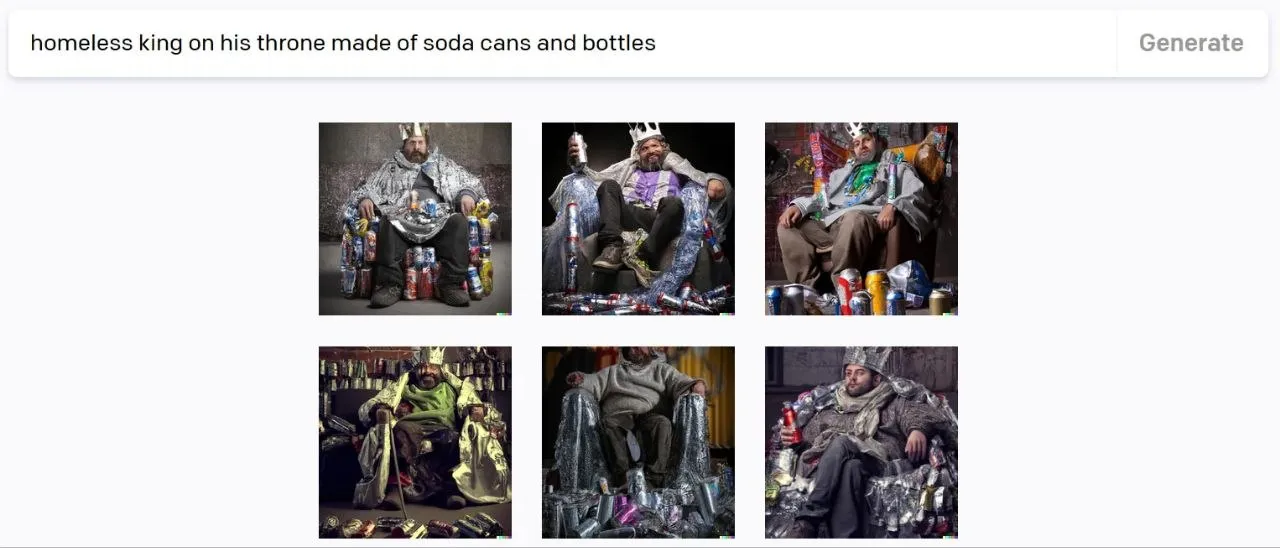
The Journey
Notice, everything I pointed to above still fits in the “wow, cool shit!” toy domain. The limitations were pretty obvious; nothing was actually usable. All images fell apart under scrutiny, because they looked good when you squinted, and looked like ass when you actually zoomed in. Midjourney changed all that.
Midjourney, much like Dall E, is an image generator backed by an AI model. But it solved two specific problems for me that made me love it.
- It runs on discord, and its paid plan tracks usage, not number of runs. Run an image prompt on slow, and you can use it for longer and make more images per day. Opposite to fast mode.
- Everything it makes just looks so damn good. All generated images have that weird uncanny valley, but they claim they’ve trained more on artistic photos and artwork, and it shows (eyes are a little lazy but who cares right?!).
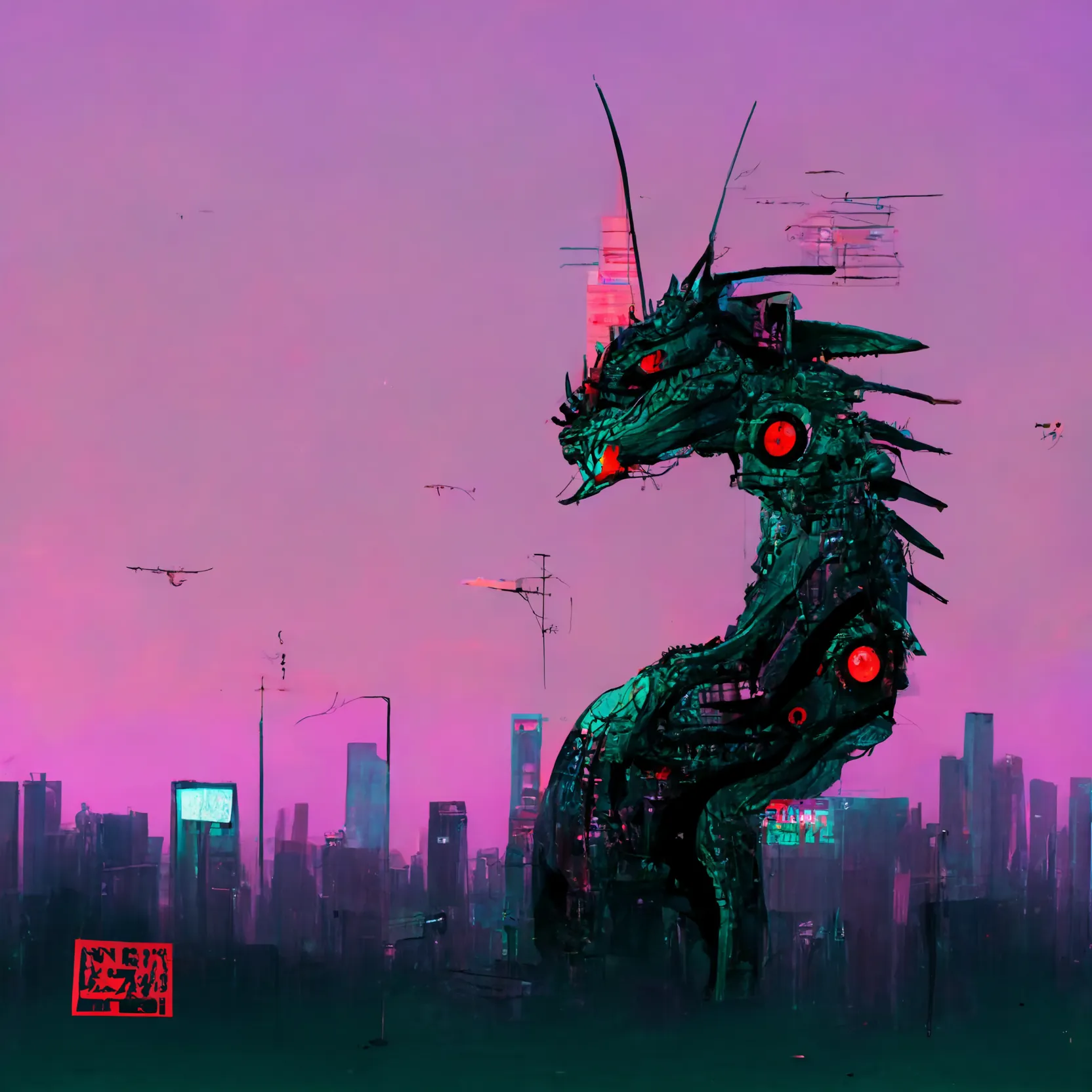
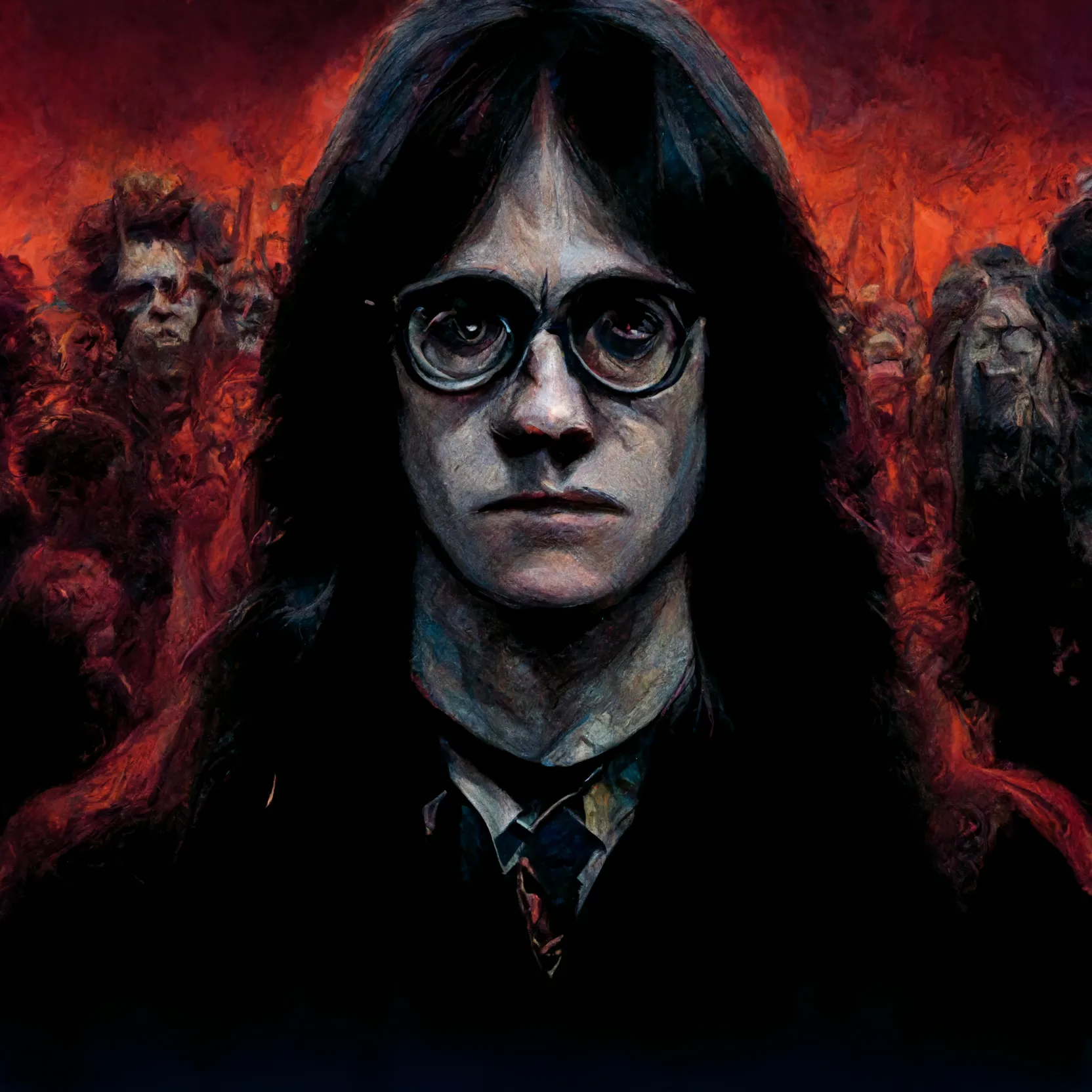
For the first time I saw viability. The images approximate artwork, and they do it well. The ‘good-when-squinting’ issue is still there, but the ability to make good looking designs implicitly and then use those as starting off points for ideation to finish my designs is really good.
Seriously, I’m having so much fun with this. When I first started using it, I even put up my Midjourney greatest hits on Instagram. The images had that weird alien tendril-y quality to it, like it was made out of scribbles. Then they updated the AI model with more training, and the tendrils went away. Legit clean line work, and looks like something someone could actually make.
One small problem. Fucking $30 a month. It’s not that much but it’s still a large enough amount that it annoys me. I love free shit, and this isn’t free shit.
Free Shit
While I was playing around with Midjourney, I discovered something called Stable Diffusion, made by a company called stability.ai.
You mean I can generate images at home? On my pc? Using a github project and a model off Hugging Face?
That was the beginning of the end for me. Apparently one of the caveats was that you needed a decent GPU because all these models ran on compute code, but that was trivial; I play games, my GPU is decent.
Thats how I started using Automatic1111’s stable Diffusion webui. This thing is amazing, even to this day. Regularly updated, runs any and all Stable Diffusion models.
What, you thought there was just one? Fuck no. Obviously if you open source something like this, everyone comes crawling out the woodwork to make their own models. And there’s so many. With different styles, weights and uses. There’s one for photography type stuff. One for icons only. And the best part? The Web UI allows you to do negative prompting, that is, write things you DON’T want the image to contain. And you can have your prompt change over time, so you can merge styles.
Understandably, I went fucking nuts on this thing. I put my GPU to work like it had never done before. Sure it was slower, on Midjourney images took like 30 seconds, here they took more like a minute or longer. But it was mine, on my computer. I say, without exaggeration, that I used this day and night. A jpeg is less than 500kb at the resolutions I was working with, and I filled up almost 1 GB.
The breakthrough
I’ve been using both these tools for a while now, and two things happened. Midjourney updated their models to allow for more realism, and the Stable Diffusion webui added support for a workflow called Inpainting.
The first allowed me to make more realistic (if still fantastical) images, like this post I made, just today Infact.
The inpainting thing, that’s where things got really interesting. What it does essentially, is it allows you to upload an image and paint a mask on it (like a brush/mask tool). And then, your next prompt only generates the part of the image inside the zone you painted. This is so good. Because I can upload a photo, paint an area, and change things inside ONLY that part of the image. It’s like Photoshop/Affinity’s content aware fill, but instead of relying on raw mathematics to decide what goes inside the area, it’s creating the content. And because it sticks to the style of the rest of the image, the results are SHOCKINGLY coherent.
That’s when I realised something. Photo manipulation was about to get so easy and seamless. Because why stick to just one tool? Stable Diffusion is good, but it worked best when it had something to guide it. Midjourney can give you that. What Midjourney can’t do is inpainting. And Stable Diffusion gives you that.
Limitations
What both can’t do together, is:
- Make hands and feet. You’re limited by the training data these models are trained on. And training data is photos and artwork. Comparatively there’s much more of faces, environments etc, than hands and feet.
- Coherent text: Same issue. An image model doesn’t know what writing is. So it produces gibberish, something which might look like words, but like, in a dream or something.
- Finishing: Large images aren’t possible. Stable Diffusion is essentially limited to under 1024x1024 unless you want to wait an hour for a photo, and Midjourney can’t do non square images.
But do they need to?
I can take my images in to a program like photoshop, and finish up there. Upscale it, add text, finalise the image.
But should I, though?
I mean Photoshop specifically.
I’ve used photoshop a lot over the years. Pirated it when I was a kid, (Photoshop 7), used it with my Student ID in college, used it for side hustles designing logos and banners. It’s the de-facto industry standard for image manipulation and digital art. It is also gated behind one of the most predatory and bullshit types of software license known to man. I switched over to Affinity Photo last year, and I absolutely love it.
What I love the most is the no-bullshit approach to software licenses. You pay, you get the software. Yours to keep and use. Indefinitely. They version up, you have the option to upgrade, or you keep using the one you have.
You know.
How software licenses are supposed to be?
You can get Affinity Photo, Affinity Designer, and Affinity Publisher either together or separately. Each replaces Photoshop, Illustrator, and InDesign respectively. And they’re not GIMP style “oh here’s a replacement but its actually something completely different with an alien UI” either. All the tools are there, and everything works.
This is why I think photoshop is gonna die. Or at least it should. This Affinity Photo app starts in mere seconds, is fully GPU accelerated, and does everything photoshop can. The only thing it can’t do is convince people that it’s the industry standard and force people to use it.
With these new AI image tools on the horizon (right now its all scripts and discord bots), and legitimate competitors like Affinity around, unless Adobe makes a huge change to Photoshop it WILL die. Maybe they’ll add some AI content fill in to photoshop that might help. But still they’re definitely not getting rid of their sweet sweet subscription lock-ins. I personally love it. Someone is finally coming for their Photoshop + Illustrator crown.